Table of contents
Effective land management often relies on selecting the right equipment for processing organic debris. When it comes to reducing brush, branches, and undergrowth, two machines typically come to mind: the mulcher and the chipper. Explore the differences between these tools and discover which solution aligns best with your property needs for optimal results.
Understanding mulchers
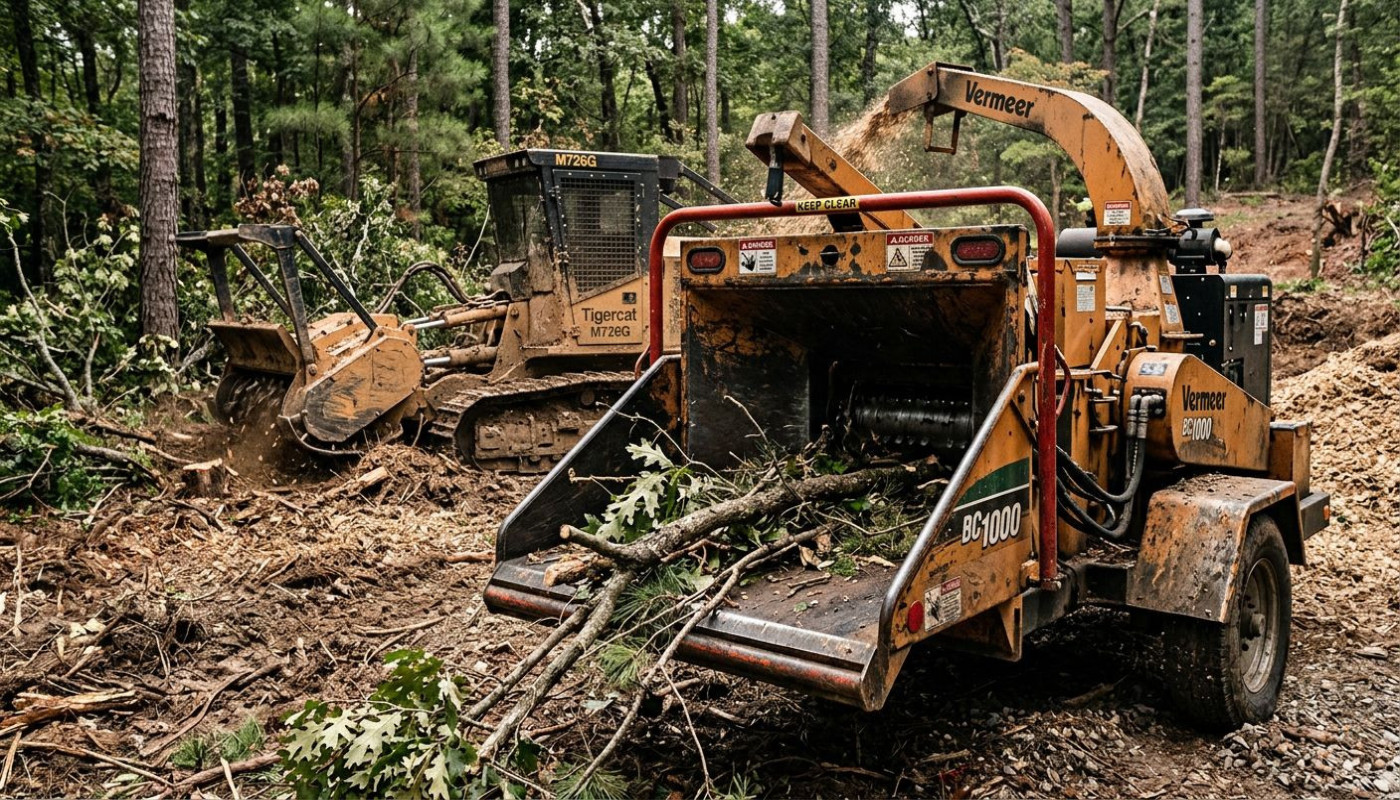
Mulchers are specialized machines built for efficiently handling brush management, vegetative debris, and overall land clearing tasks. Operating through a powerful rotor system outfitted with sharp teeth or knives, the mulcher machine shreds plant material directly on-site, converting it into fine mulch that can be left to decompose naturally. This mechanism allows the rapid reduction of trees, shrubs, and undergrowth, making forestry mulching a preferred solution for transforming overgrown areas, maintaining right-of-ways, or preparing a site for construction. Mulchers excel at processing a wide range of materials, from small branches to entire saplings and dense brush, offering flexibility that traditional equipment may lack. Experts in land management recommend choosing a mulcher when the goal is to preserve soil structure, reduce erosion, and avoid the environmental impact of burning or hauling debris. Their ability to return organic material directly to the ground makes them ideal for sustainable and cost-effective site preparation, especially in sensitive ecosystems or remote areas where access for larger machinery is limited.
Exploring the chipper option
A wood chipper serves as a powerful piece of arborist equipment designed specifically for processing branches, limbs, and small trunks into uniform wood chips. The machine draws material through a feed chute, where sharp, high-speed blades or hammers break down the wood via the chipping process. This method not only simplifies biomass reduction, but also creates manageable, transportable chips ideal for mulch, compost, or biofuel. Unlike mulchers, which shred and pulverize a wide variety of organic debris into fine mulch, chippers focus on cleaner, larger pieces of woody material, resulting in a coarser output that is less suited for soil integration but perfect for pathways or erosion control.
Leveraging a wood chipper is especially advantageous in projects centered around tree maintenance, storm cleanup, or clearing overgrown lots with significant quantities of branches and trunks. The chipping process is preferable when the primary goal is rapid biomass reduction and efficient material handling, rather than producing fine mulch for immediate landscaping. According to certified arborists, chippers should be the tool of choice for large-scale land management and maintenance tasks where time efficiency and clean chip output are priorities, such as municipal parks, commercial properties, or when preparing wood for biomass energy projects. Their robust construction, ease of feeding via the feed chute, and ability to handle thicker branches make chippers indispensable for professionals managing significant volumes of wood waste.
Comparative efficiency factors
When comparing mulchers and chippers as land management tools, several efficiency factors come into play. Mulchers excel in processing efficiency when dealing with a broad range of vegetative debris, including small branches, brush, and even leafy material, rapidly breaking them down in place to create a uniform mulch layer. Chippers are designed to handle larger diameter wood, producing wood chips that are more consistent in size, making them preferable for applications where end use of the processed material includes landscaping or biofuel. Throughput capacity is another key consideration: mulchers typically offer higher throughput for low-density, mixed material, while chippers are optimized for high-density, woody debris but may require more time for similar volumes. Equipment comparison should focus on the type of debris present and the desired end use—mulchers maximize debris reduction for onsite coverage, while chippers are superior for generating transportable, marketable chips.
Choosing between these land management tools depends greatly on the volume of material, required consistency, and final application of the processed output. For projects prioritizing rapid debris reduction and soil enrichment, mulchers provide effective ground coverage and nutrient recycling. In contrast, chippers are often selected for environments where harvested wood needs to be repurposed or sold, as their product is easier to handle and store. An authority in land management equipment can assess site-specific needs, ensuring the equipment’s throughput capacity matches the project’s scope, and recommend the best tool based on material type and end use objectives. For more processing efficiency insights and complete equipment comparison, explore the details available at details.
Safety and maintenance considerations
Effective equipment safety begins with understanding the distinct hazards posed by mulchers and chippers. Both machines involve powerful, fast-moving components capable of causing significant injury if mishandled. Operator training is fundamental, focusing on thorough risk reduction by teaching recognition of potential dangers, such as flying debris and entanglement points. Utilizing appropriate PPE—such as hard hats, eye protection, hearing guards, cut-resistant gloves, and steel-toed boots—significantly minimizes injury risks. A robust safety interlock system on modern models can prevent the machine from starting during servicing or when the access panels are open, offering a vital safeguard. Supervision by a qualified professional ensures that all operators adhere to established best practices and safety protocols, further reinforcing a culture of responsible machine use.
Machinery maintenance is pivotal for ensuring operational safety and extending the service life of mulchers and chippers. Routine service checks should include inspection and sharpening of blades, cleaning debris from intake and exhaust ports, and verification that all safety features—including the safety interlock system—are functioning as intended. Regular lubrication of moving parts, checking hydraulic fluid levels, and examining belts, guards, and switches for wear or damage are key to preventing mechanical failures. Documenting maintenance activities and addressing issues promptly not only enhances equipment reliability but also upholds high standards of operator safety. Periodic refresher training on proper maintenance and equipment handling, recommended by the person with the highest authority, consolidates safe operating habits and supports a proactive approach to risk management in land management environments.
Making the right choice
Assessing property conditions is the initial step in equipment selection for effective property management. Consider factors such as land size, terrain complexity, and the volume of debris. Project assessment should include identifying whether your primary challenge is dense brush, large branches, or mixed organic material; this distinction directly impacts the suitability of a mulcher versus a chipper. Mulchers excel in managing wide areas of undergrowth and small vegetation, while chippers are designed for processing thicker limbs and turning them into manageable wood chips. Thorough evaluation of debris handling needs ensures the right match between equipment and project requirements.
Cost efficiency represents another decisive aspect in the decision-making process. For large-scale land clearing, investing in a mulcher can enhance productivity and minimize labor time, especially when fast ground coverage is needed. Chippers, in contrast, may be more cost-effective for areas with significant tree-felling or regular pruning waste, as they process larger wood with less wear and tear. By reviewing available budget alongside long-term maintenance and operational expenses, property owners can align their choice with both immediate and future financial goals while maximizing application suitability.
A structured approach by a property management expert or land-clearing consultant is recommended to ensure a thorough project assessment. This includes mapping out the land, cataloging debris types, and defining the desired outcome—whether clearing for agriculture, fire prevention, or aesthetic improvement. The criteria for equipment selection should always balance project scope, debris handling requirements, and cost efficiency, leading to a well-informed, successful application of either a mulcher or chipper for optimal results.
Similar


